A blogging platform where AI does the setup — the three-step onboarding
Creating a blog shouldn't be a project. It's a name, a sentence, and a click. The system handles the rest while you read the first draft.
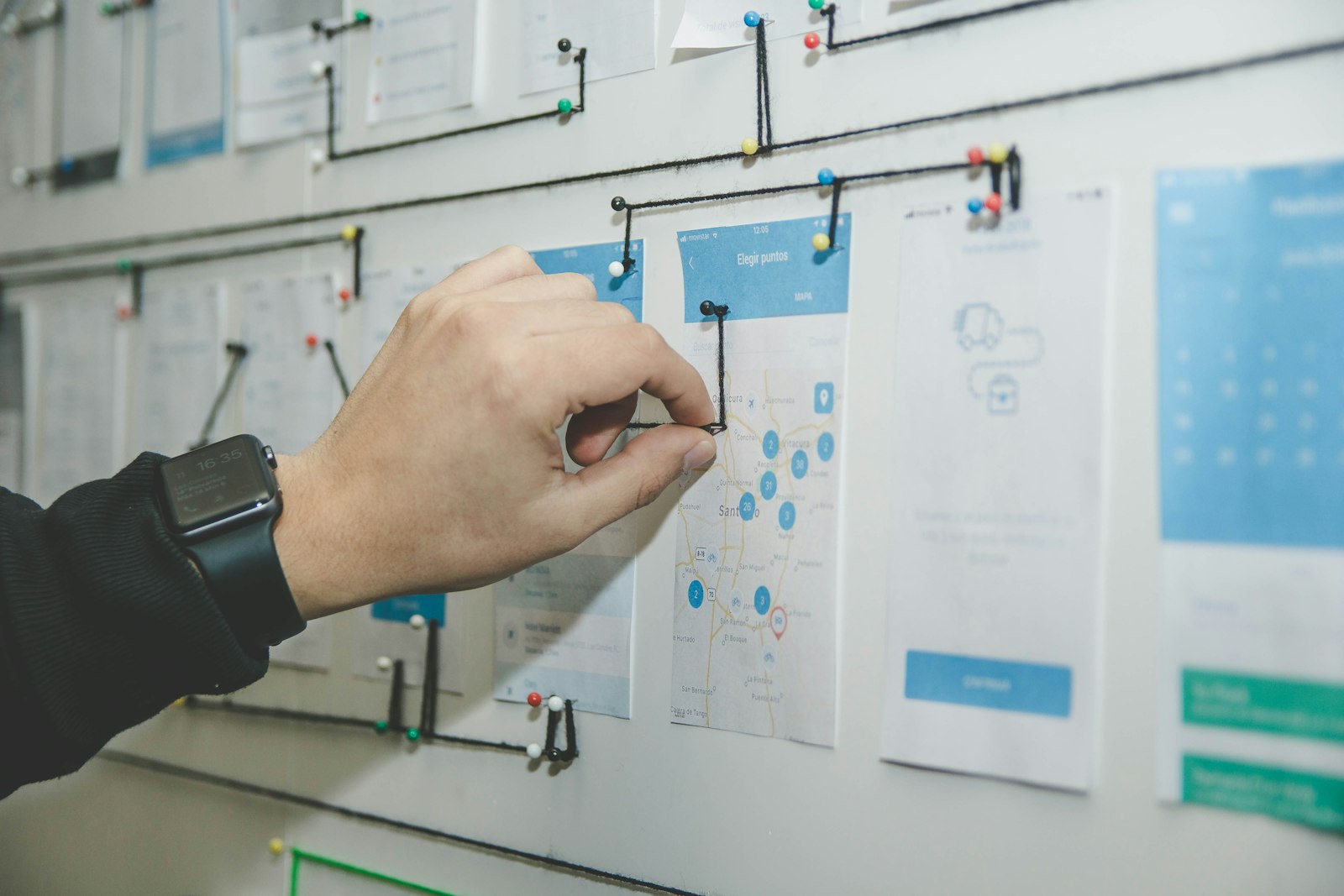
Creating a blog on most platforms is still a project. Pick a plan. Configure a domain. Pick a template. Decide whether you want comments. Configure DNS. Wait for SSL to propagate. Hunt down an SEO plugin. Then another for sitemaps. By the time you actually write the first post, three afternoons have passed.
In Agentikas it's three steps and two minutes. The difference isn't speed for speed's sake — it's that every decision the platform can make on your behalf, it makes. What you decide is what only you know.
Step 1 — A name
The first field is a text input. You type the blog's name. Cooking Without Guilt. Mom on the Edge. Mateo's Lab.
The system does three things in parallel as you type:
- Generates the slug. Strips accents, lowercases, swaps spaces for hyphens, validates characters.
Mom on the Edge→mom-on-the-edge.Niño Saltarín→nino-saltarin. - Checks availability. A DB query with a 300ms debounce. Green if free, red if taken, yellow if the syntax doesn't work.
- Renders the URL preview. Appears below the input:
mom-on-the-edge.blog.agentikas.ai. No click. By the time you lift your finger off the keyboard, you already know your URL.
What you don't do: pick a TLD, configure DNS, wait for propagation, pay registration fees. The subdomain exists the second you hit "next" — Cloudflare wildcard DNS resolves the host before the animation finishes.
Step 2 — A sentence
The second field asks for a sentence describing the blog. "Vegetarian recipes for people with three jobs." "Diary of a mom who never gets enough sleep." One sentence. Whatever it is.
That sentence does triple duty:
- Generates the public subtitle with Claude. Takes your sentence and turns it into something fit for the home page, keeping your voice but cleaning just enough.
- Infers initial tags. The description carries semantic signals — "vegetarian," "recipes," "time" — that the system turns into candidate tags for your first post.
- Pre-fills the
BRAND.mdwith an inferred tone. Not a complete BRAND (you refine that later), but enough to keep the AI writer from writing formally when your blog is clearly conversational.
If you don't like the suggested subtitle, you rewrite it. The friction is: AI proposes, you dispose. Never the other way round.
Step 3 — One click
The third step is a button. "Create blog."
In the next ten seconds, the system does all of this without the author touching anything:
- Inserts the blog into the DB with its initial
brand_config - Applies RLS policies so only the owner can write
- Activates the subdomain (
maria.blog.agentikas.airesolves and serves HTML) - Generates the
robots.txtwelcoming AI bots - Generates the initial
sitemap.xml(empty but valid) - Registers the entry in the public
sitemap-indexatagentikas.aiso Google discovers it on its own - Creates the WebMCP manifest at
/.well-known/mcp.jsonwith the default tools - Provisions the RSS feed
- Creates a first draft of the suggested first post — a skeleton with topic and structure, ready for you to fill
- Notifies IndexNow so Bing and Yandex start knowing you exist
Those ten seconds are the only friction left. When they end, you land in the editor with your first post open. Public URL live. Ready to publish.
The hard part of onboarding isn't the onboarding
The real challenge wasn't the three steps. It was eliminating every step most platforms ask for and we don't. Deciding what NOT to ask is 80% of the design:
- We don't ask for a template — every blog shares a design system that adapts to the
brand_config. - We don't ask for a credit card — the base tier is free, no trial.
- We don't ask for a domain — the subdomain works from second one. If you want your own later, you add it; meanwhile, it's not in the way.
- We don't ask for plugins — SEO, sitemap, RSS, schema.org, WebMCP all default-on.
- We don't ask for analytics — the dashboard has metrics built in; want GA4? Add it in the settings panel, not in onboarding.
Each of these decisions is made once, in the platform's code. Multiplied across every new blog created, the author time saved is enormous. And technical quality doesn't drop — it goes up, because configuration is done once and done well.
Day one as an agent, not as a human
The least obvious consequence of designing onboarding this way is that the blog is callable by AI agents the second it finishes. No waiting three months for Google to index, no fighting with Schema.org install, no configuring anything. The moment you hit the third button:
- Bing's crawler gets the IndexNow notification and crawls within hours.
- The public
sitemap-indexatagentikas.aialready lists it — Google discovers it on its next index re-crawl. - An agent landing on the subdomain finds the WebMCP manifest at the canonical URL and can invoke tools from the first moment.
Onboarding is what it is because the platform was designed so that a "newborn" blog has the same access to the agentic web as one with five years on the clock. No discounts, no extra steps for the author. We automate it once, everyone inherits.
Create your blog at write.agentikas.ai. Three steps, two minutes, free forever. If you've been thinking your digital presence had to change — this is where you start.



Comments
Loading comments…
Sign in on your dashboard to join the conversation.